

illbruck
Client
illbruck (via Kleiner und Bold)
Scope
2017–2018
Role
Graphic Designer
Sector
Construction Products & Building Materials
Deliverables
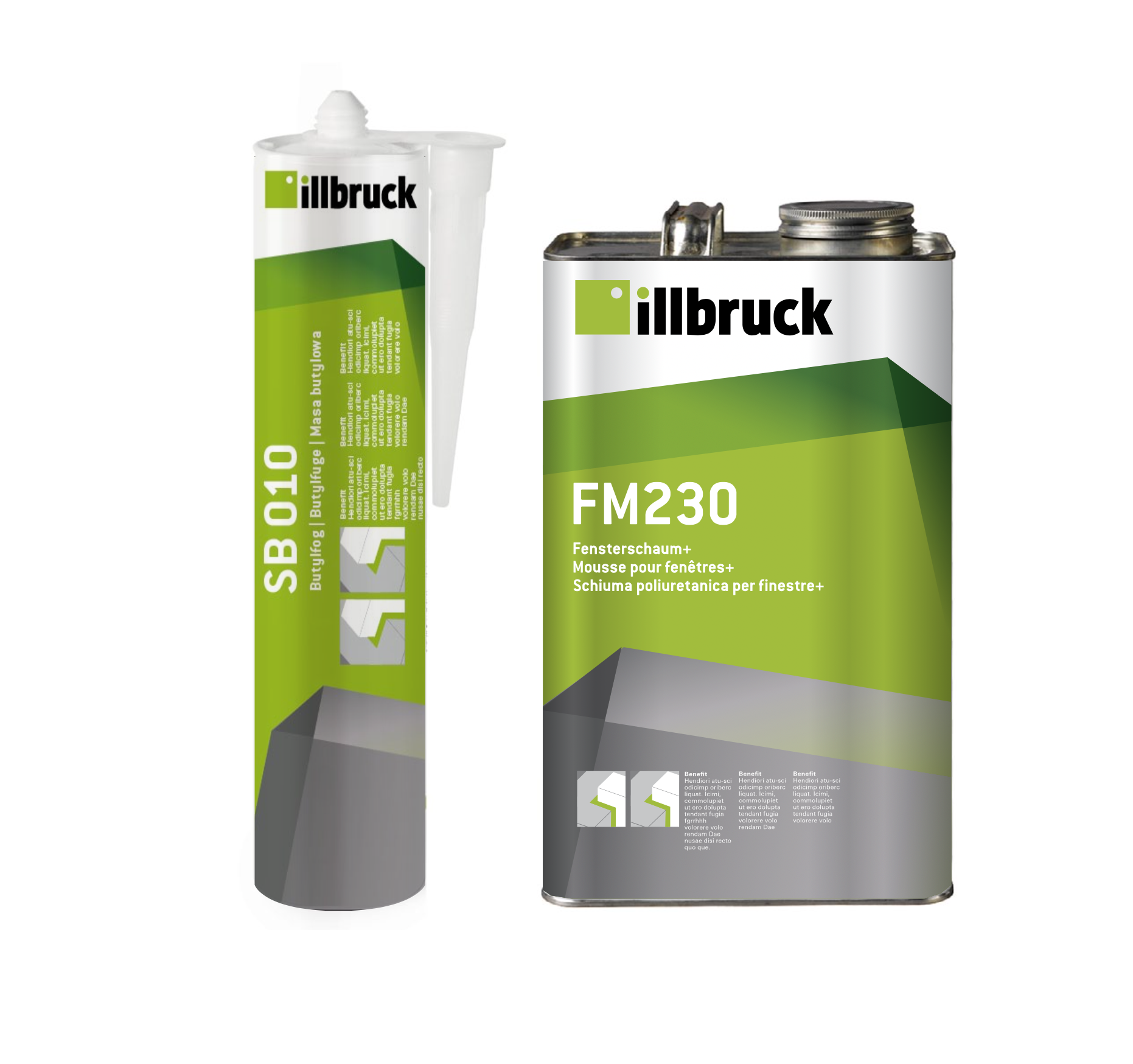
Corporate identity system, design system, packaging
Problem
illbruck is a technically strong construction and building-systems brand operating in a highly competitive, specification-driven market. While its products were trusted by architects and contractors, the brand narrative was overly product-centric and lacked a unifying conceptual framework that connected sustainability, innovation, and human-centered living environments.
As the company expanded its focus on environmentally responsible solutions and more ambitious architectural projects, the existing brand language did not fully reflect illbruck’s evolving role as a strategic partner in shaping healthy, future-ready spaces.
Opportunity
There was an opportunity to reposition illbruck from a manufacturer of high-quality building components to a brand that actively shapes the “atmosphere” of living and working environments, bridging technical performance with human experience.
By developing a clear conceptual anchor, the brand could:
Align leadership vision with day-to-day design decisions
Speak consistently to architects, systems houses, and contractors
Support sustainable innovation without sacrificing credibility or rigor
Create a flexible identity system capable of scaling across diverse products and applications
Outcome
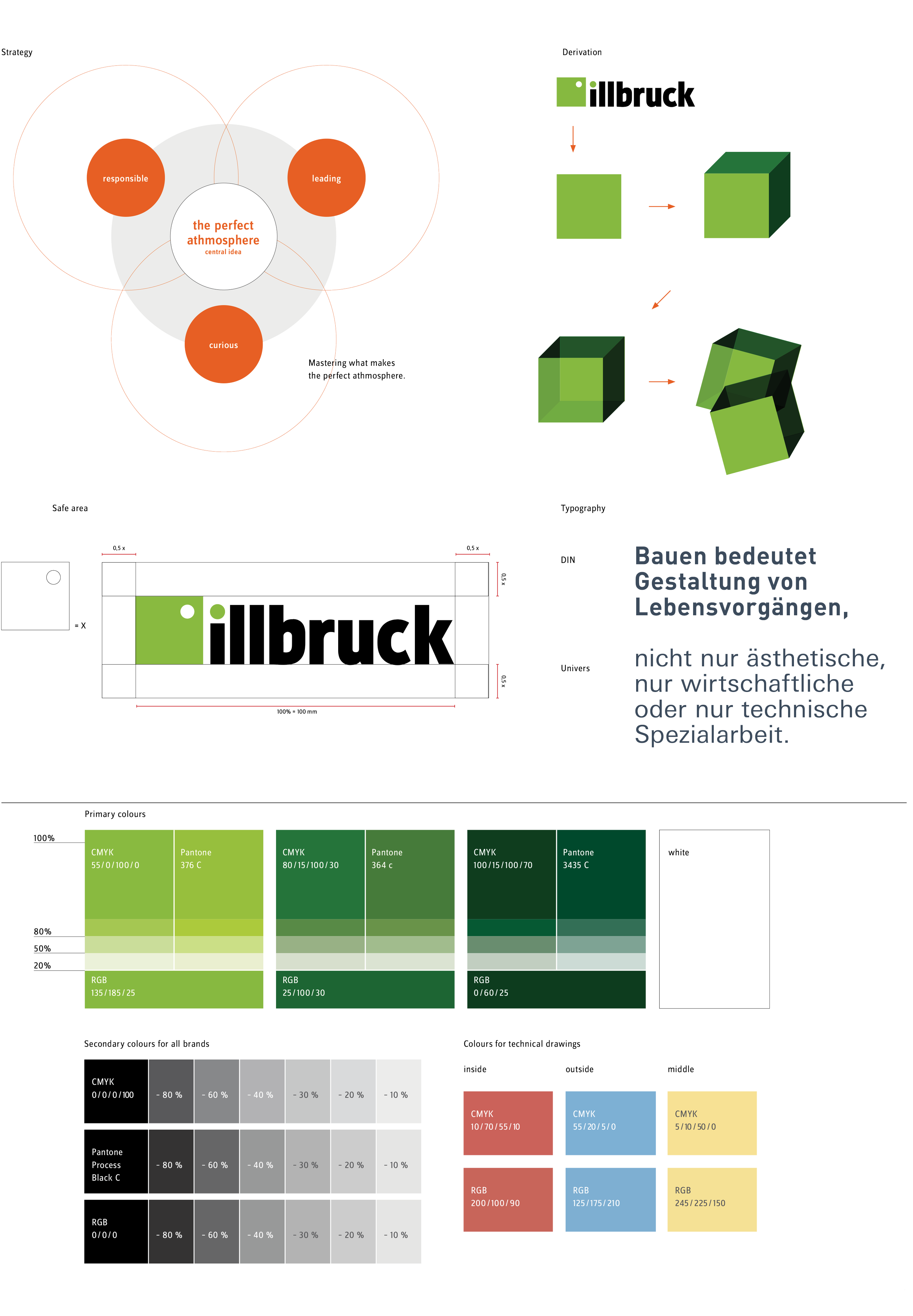
Working in close collaboration with the Managing Director, I helped define “Space” as the core conceptual framework for illbruck’s corporate identity, centering the brand around the idea of mastering the conditions that create the perfect atmosphere for healthy living.
This positioning established illbruck as:
Responsible in its commitment to environmental performance and long-term impact
Curious in its openness to emerging architectural trends and living concepts
Leading in translating ambitious visions into reliable, real-world solutions
The resulting framework provided a strategic foundation for brand expression across visual identity, messaging, and partnerships, ensuring the brand communicated with clarity, confidence, and relevance while remaining adaptable to future growth.
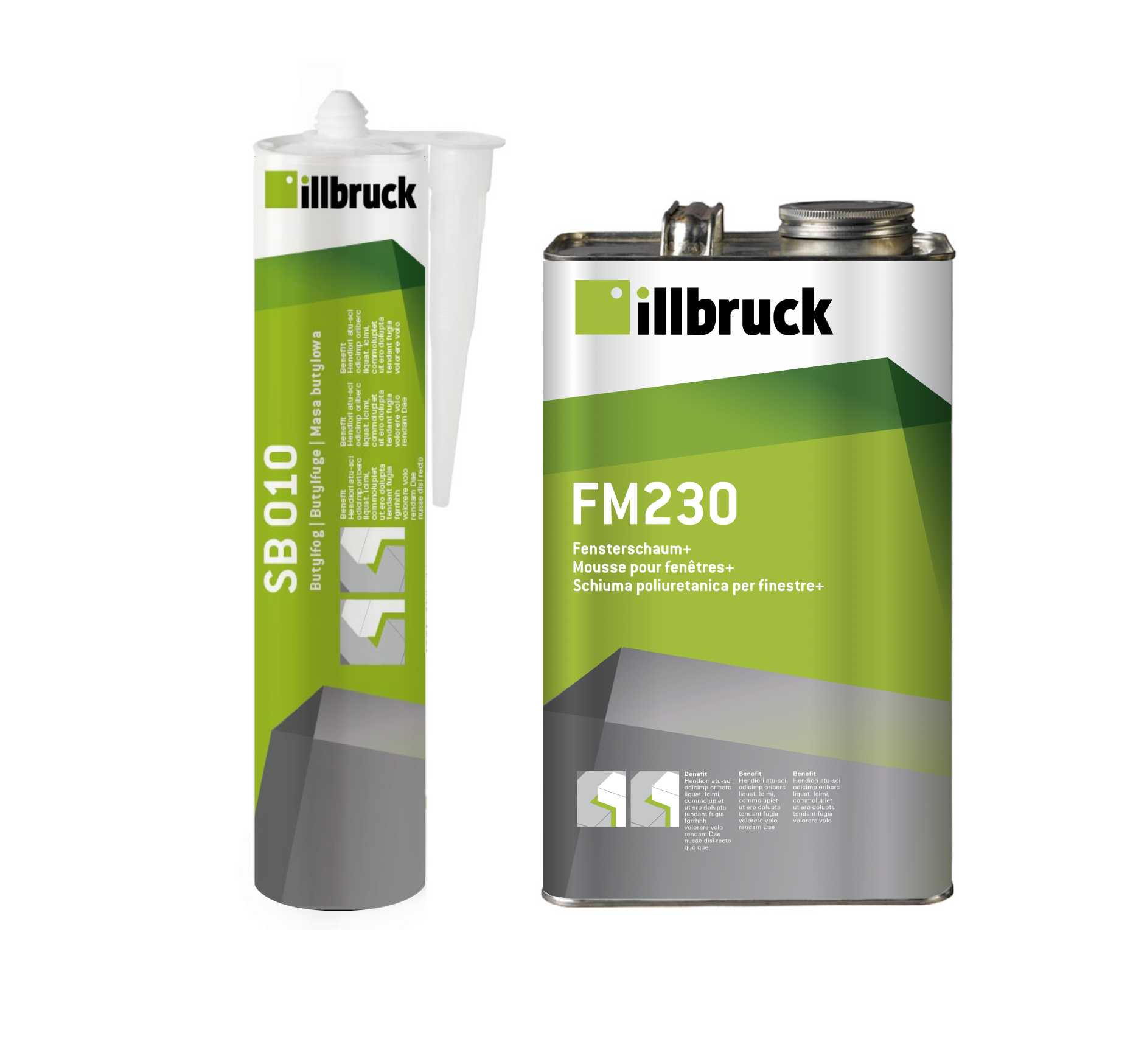
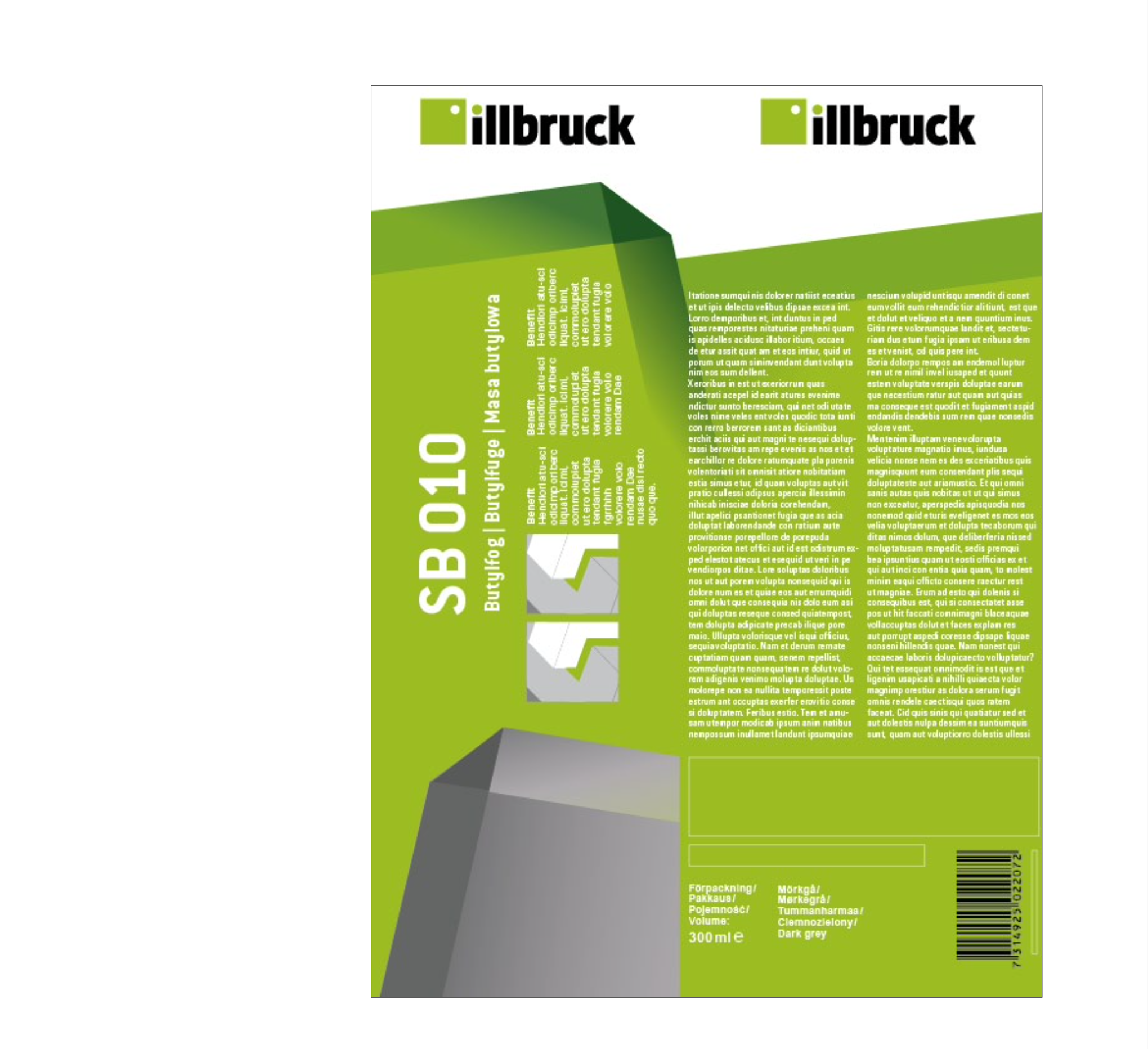
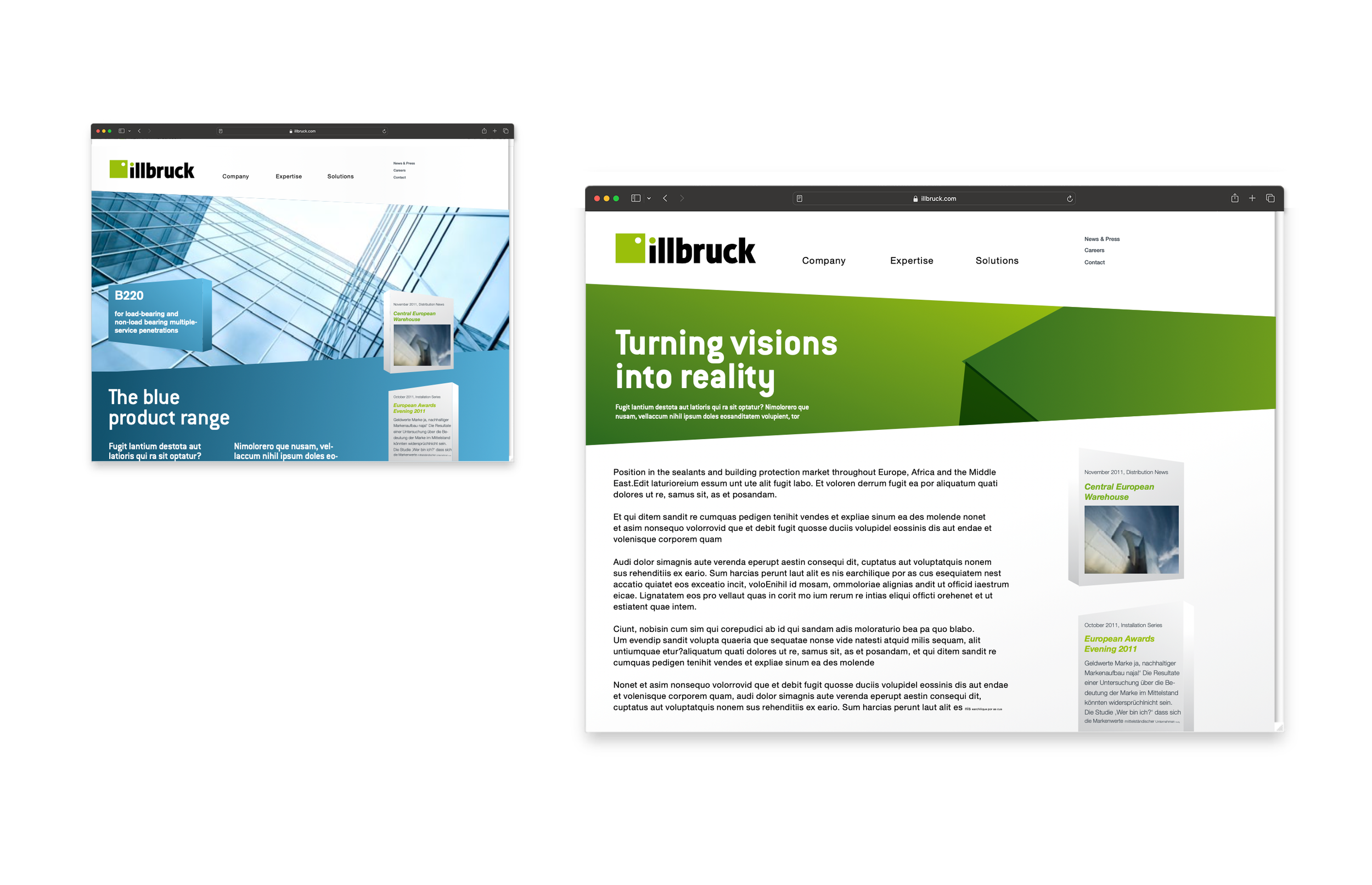
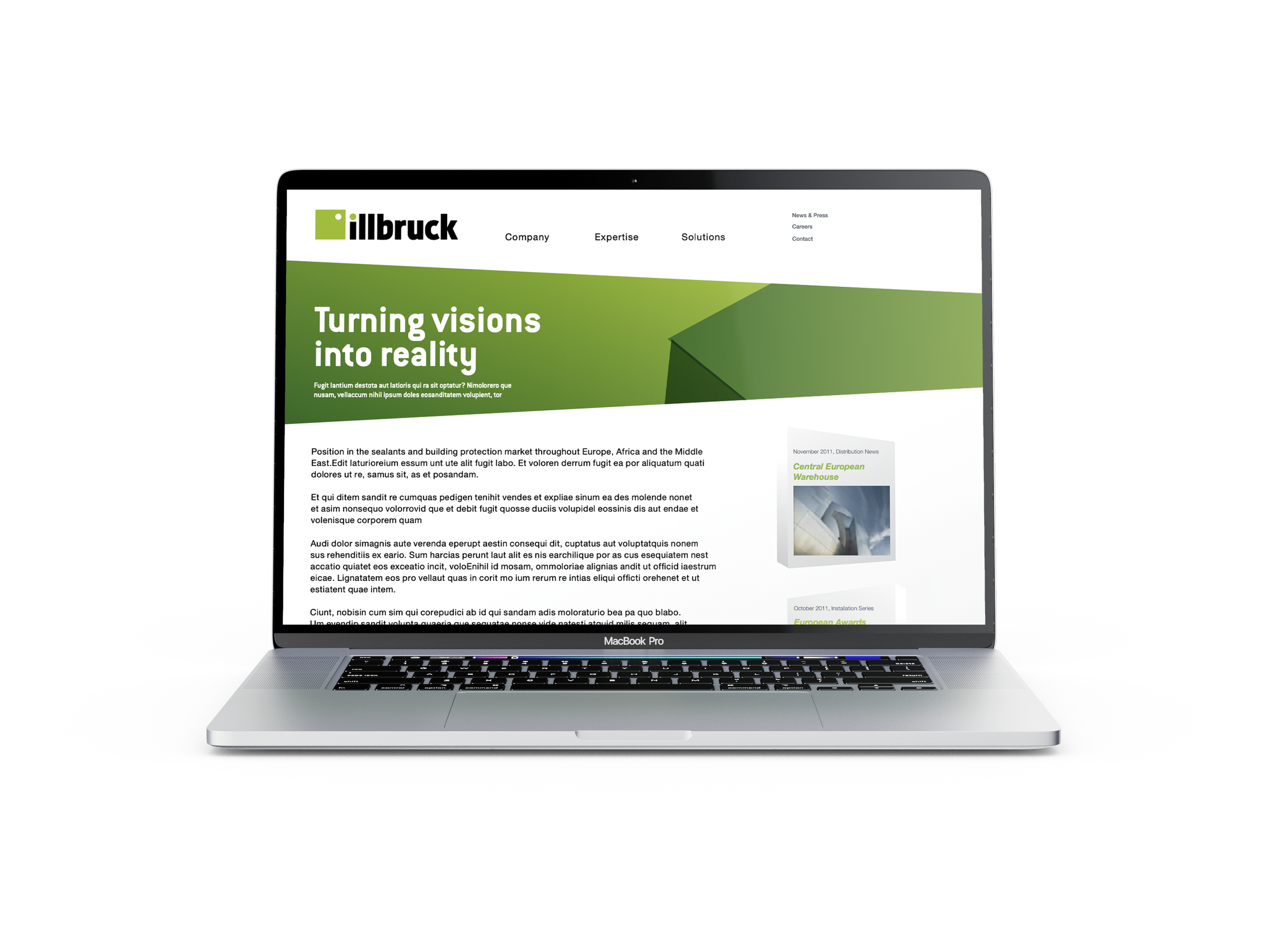
New Brand Identity
Old Brand Identity
Reflection
Across my work, I focus on designing systems that bring clarity to complexity, particularly in environments where multiple stakeholders, long lifecycles, and real-world constraints shape decision-making. The illbruck project reinforced this approach by requiring restraint, precision, and respect for existing brand equity rather than visible reinvention.
Working directly with executive leadership sharpened my ability to translate high-level vision into practical design frameworks that teams could adopt and extend. The challenge was not creating something new, but identifying which refinements—such as improving logo legibility and clarifying brand positioning—would deliver the greatest long-term impact across products, partnerships, and environments.
This project also reinforced the importance of design as a shared language. By grounding the identity in a clear conceptual anchor (“Space”), the work created alignment between sustainability goals, technical performance, and human experience—allowing architects, contractors, and internal teams to operate from a consistent mental model while supporting ambitious, custom applications.
Ultimately, the illbruck work strengthened a core principle I carry across projects: effective in-house design balances continuity and evolution. The most valuable outcomes are often quiet, scalable decisions that improve clarity, trust, and usability over time—enabling organizations to move forward with confidence rather than disruption.