

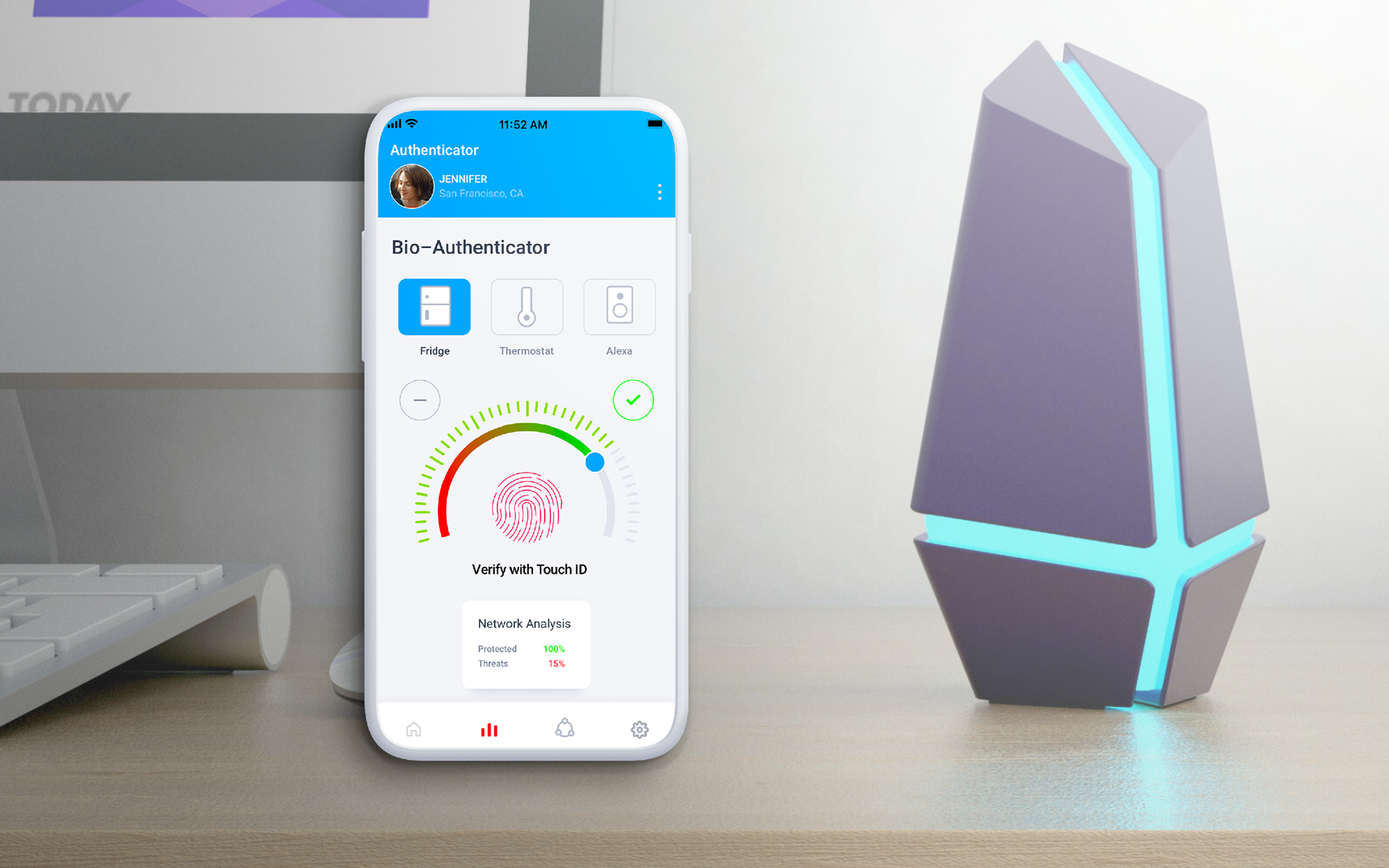
Exploring future cybersecurity services through telepresence and remote sensing
Client
Independent Freelance
Scope
2021
Role
Innovation Designer
Contributions
Research, concept development, ideation, experience framing, visual mockups, imagery, presentation deck
Problem
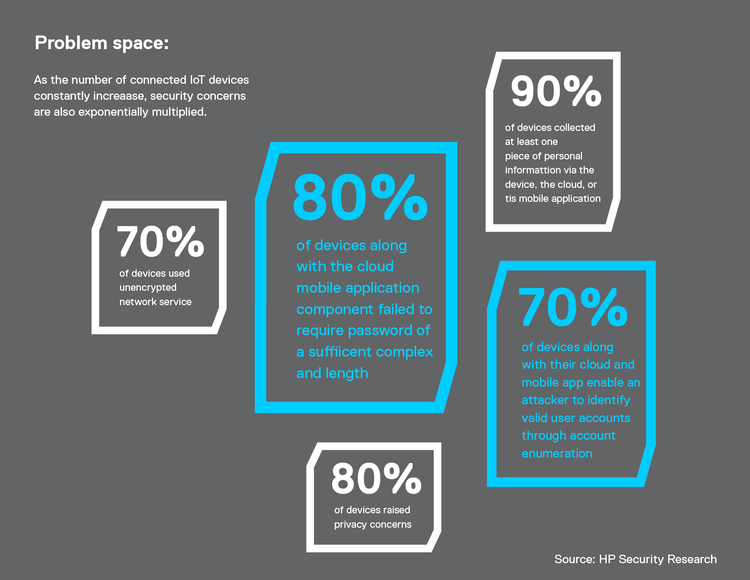
As telepresence and remote sensing technologies mature, cybersecurity organizations face increasing uncertainty about how these capabilities will reshape customer expectations around privacy, trust, and digital identity, particularly within domestic environments. Existing explorations tended to be technology-led, lacking a clear understanding of the future user needs and service models required to create durable competitive advantage.
Opportunity
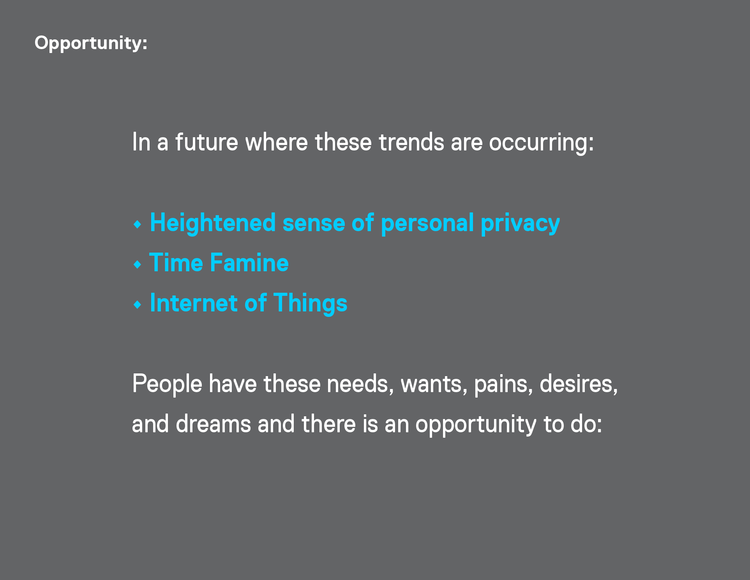
MOAT framed an opportunity to use speculative, user-centered design to translate emerging technologies into plausible future service offerings. By projecting forward to 2029, the project explored how cybersecurity could evolve from reactive protection toward proactive, ambient services embedded in everyday life, opening new avenues for differentiation, value creation, and platform strategy.
Outcome
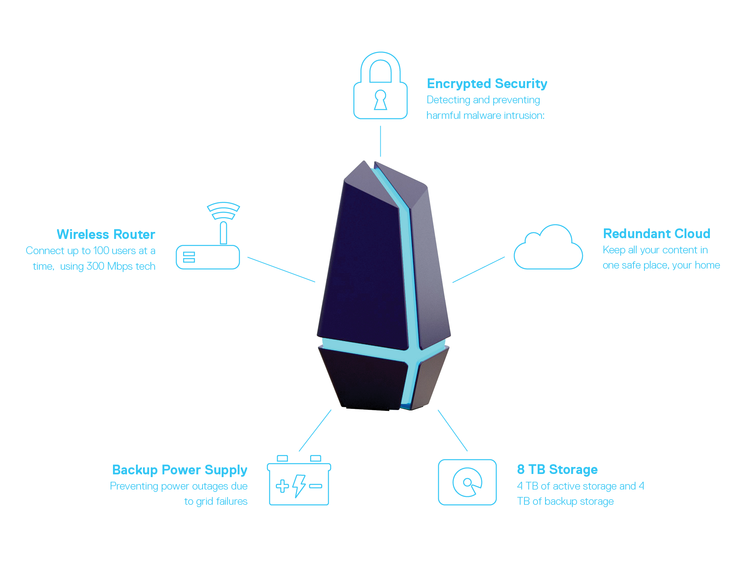
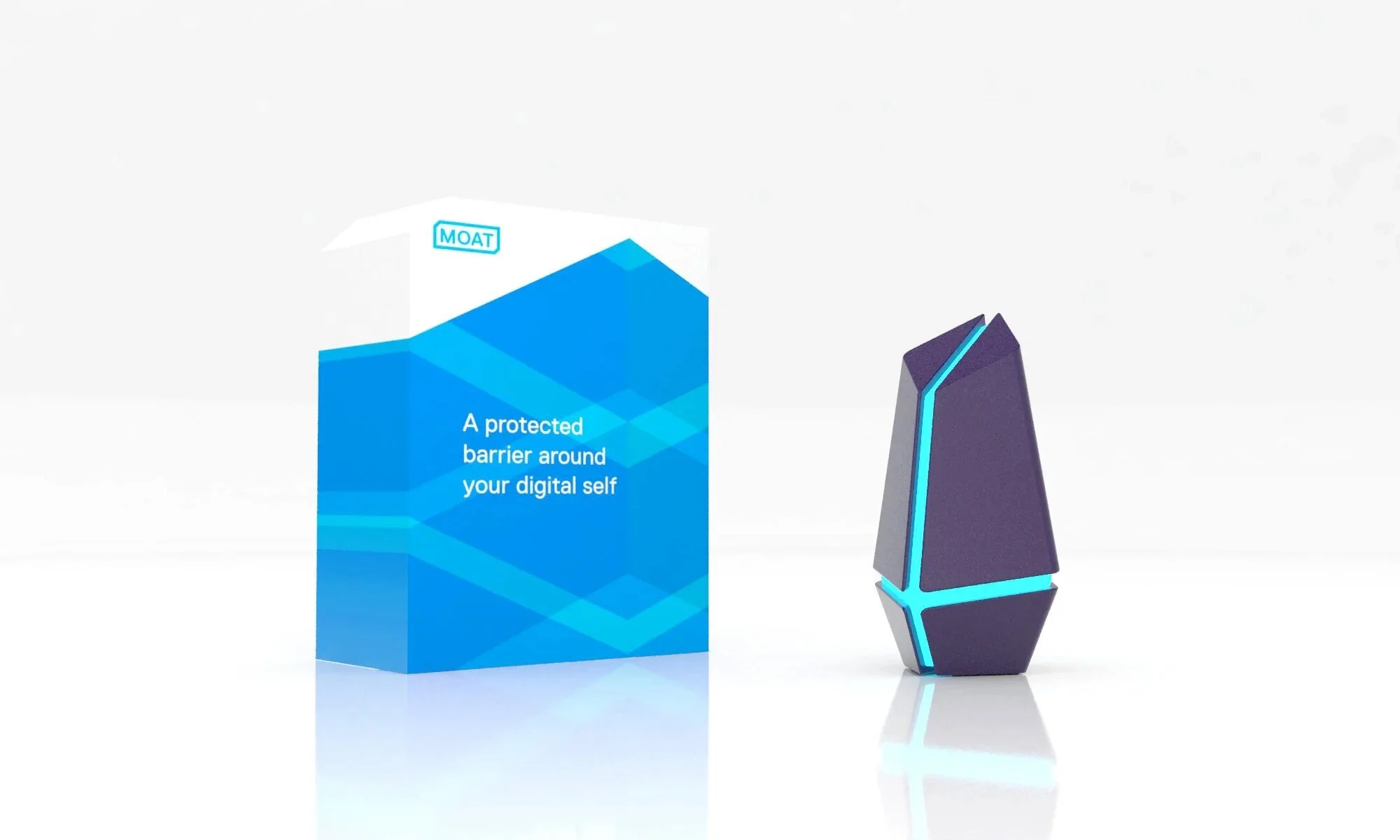
MOAT resulted in a future-facing service concept that reimagines cybersecurity as a centralized, home-based digital gateway, a secure waypoint for accessing the internet and managing digital identities across devices and family members. The concept functioned as a strategic exploration tool, helping stakeholders visualize how telepresence and sensing technologies could support trust, agency, and peace of mind in networked home environments. Through research synthesis, concept modeling, and visual storytelling, the project generated shared understanding, surfaced strategic questions, and informed internal conversations around long-term product direction, service ecosystems, and business opportunity spaces.
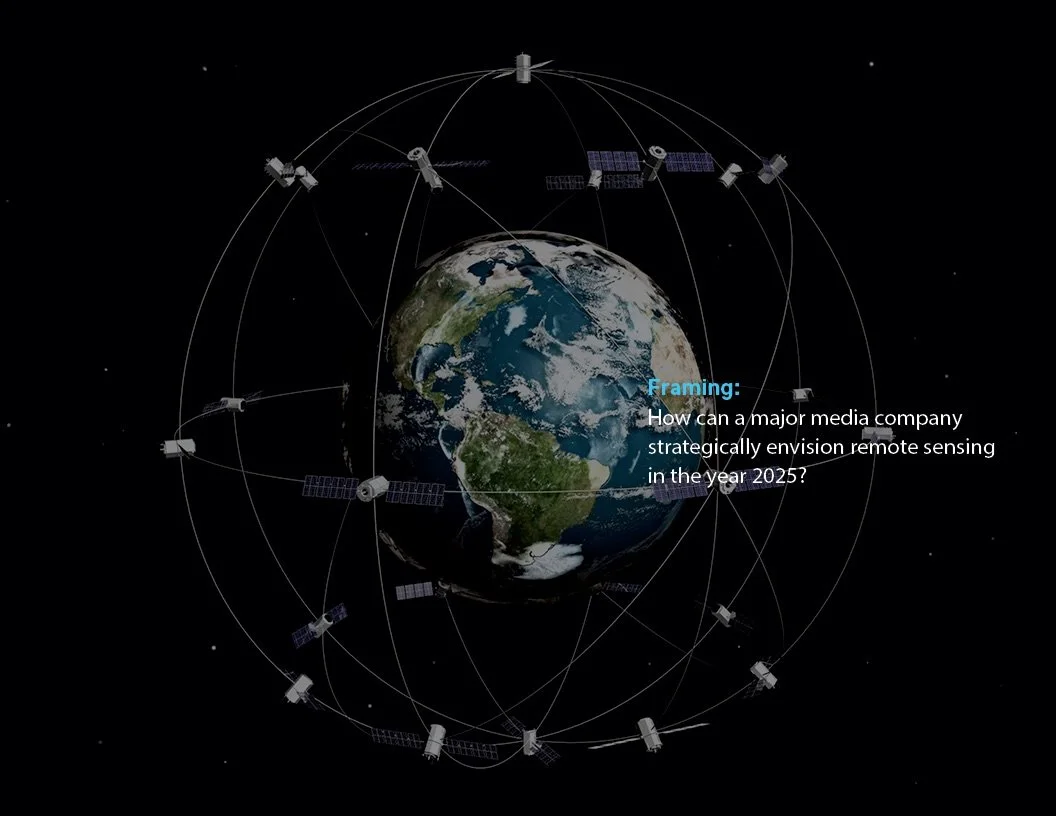
How might we translate telepresence and remote sensing technologies into differentiated security and privacy services that create new business value?
Features
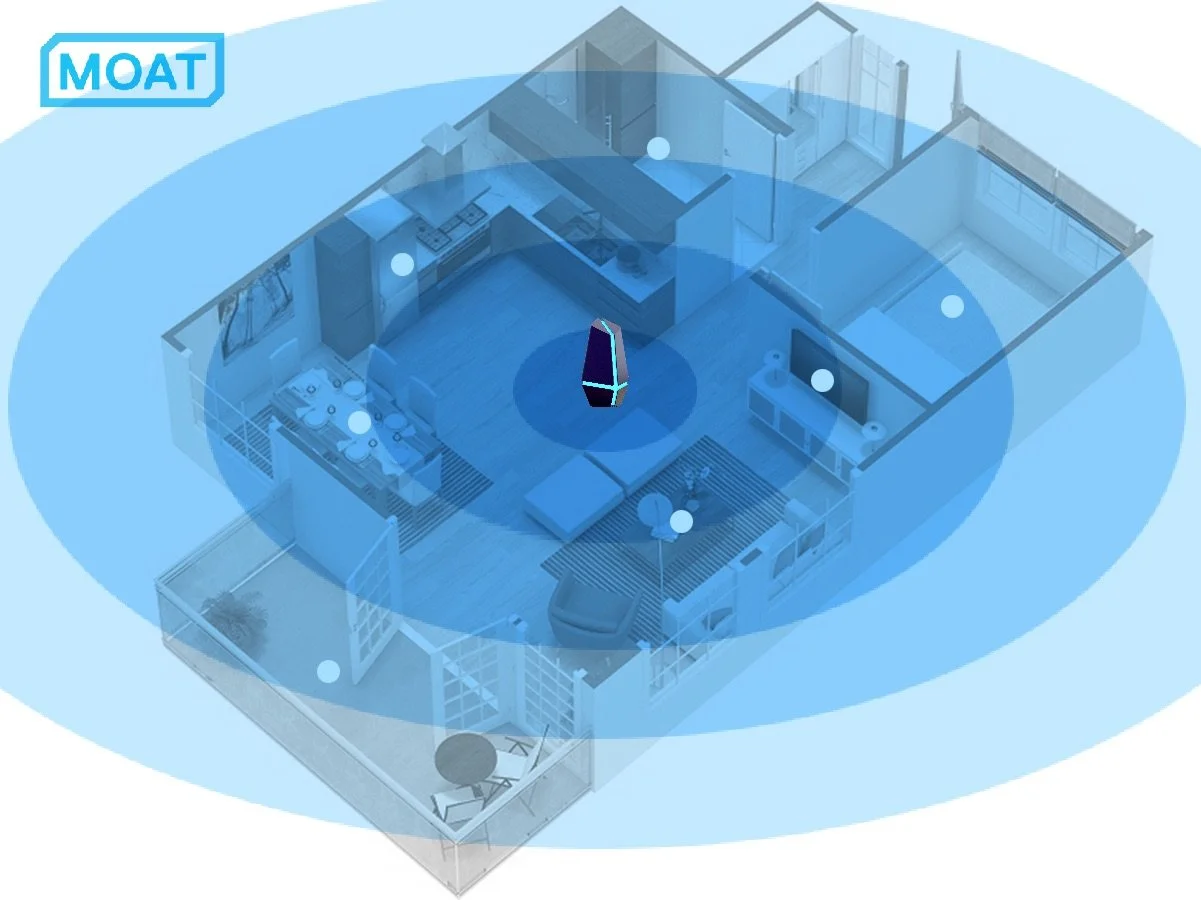
System: Remote Sensing Privacy
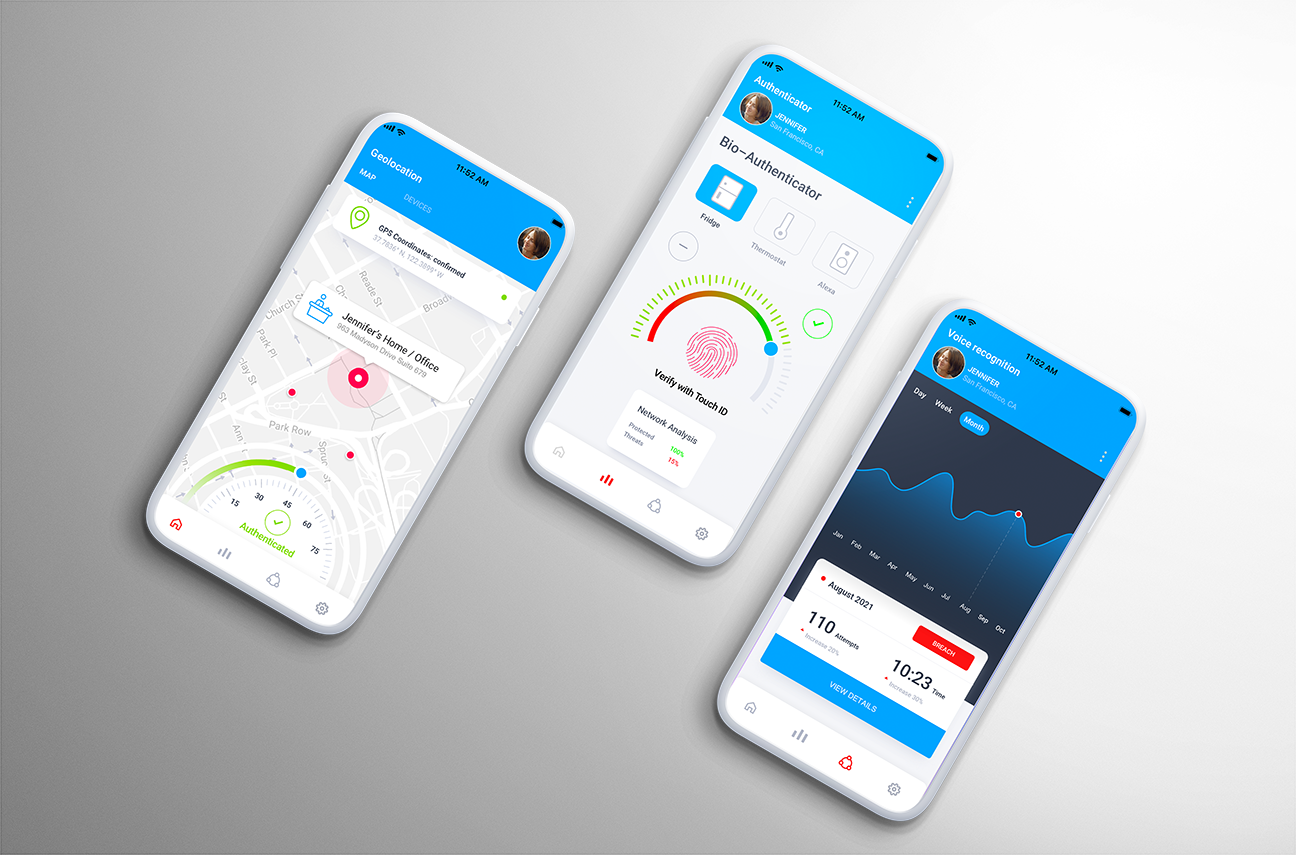
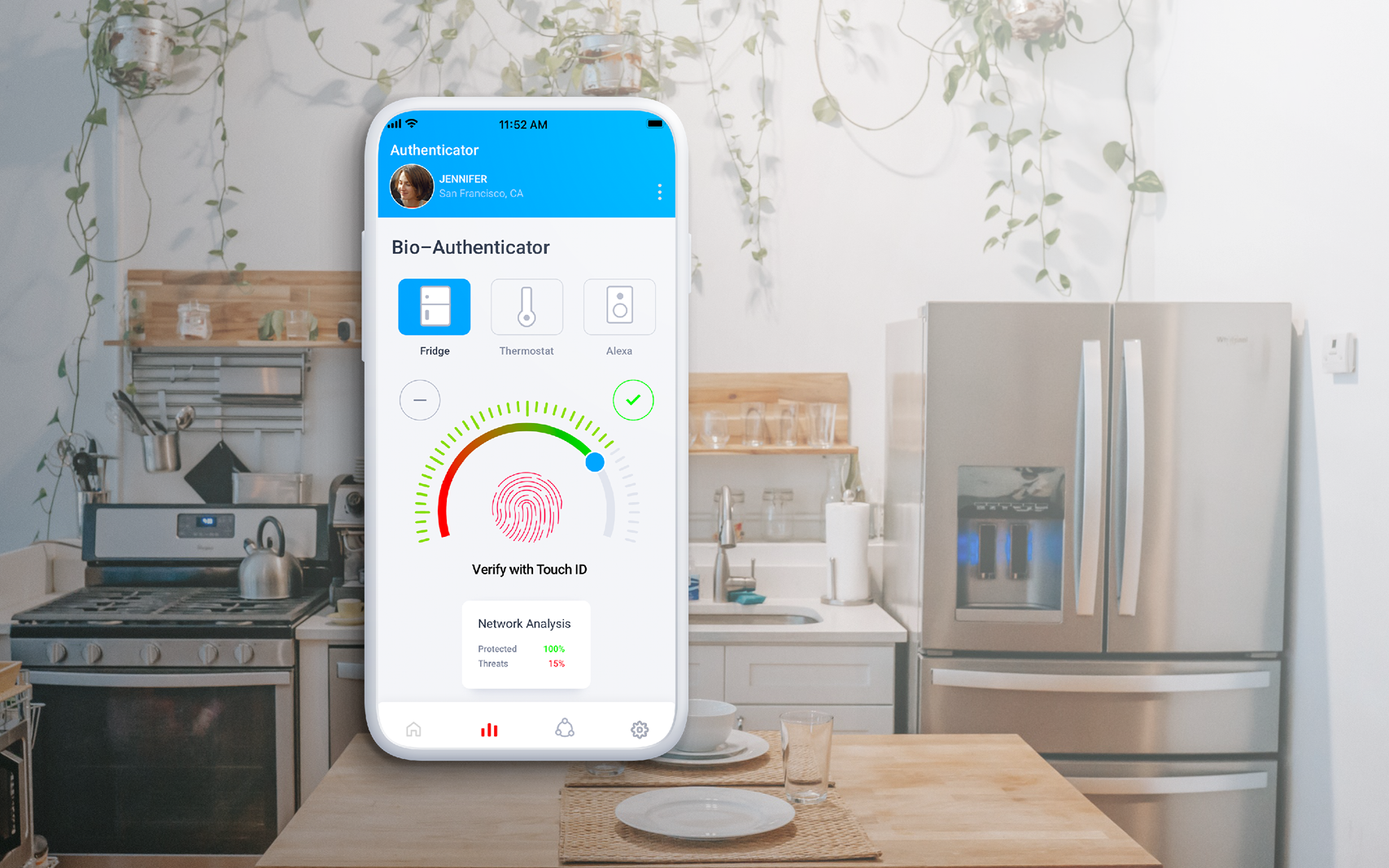
Bio-Authenticator
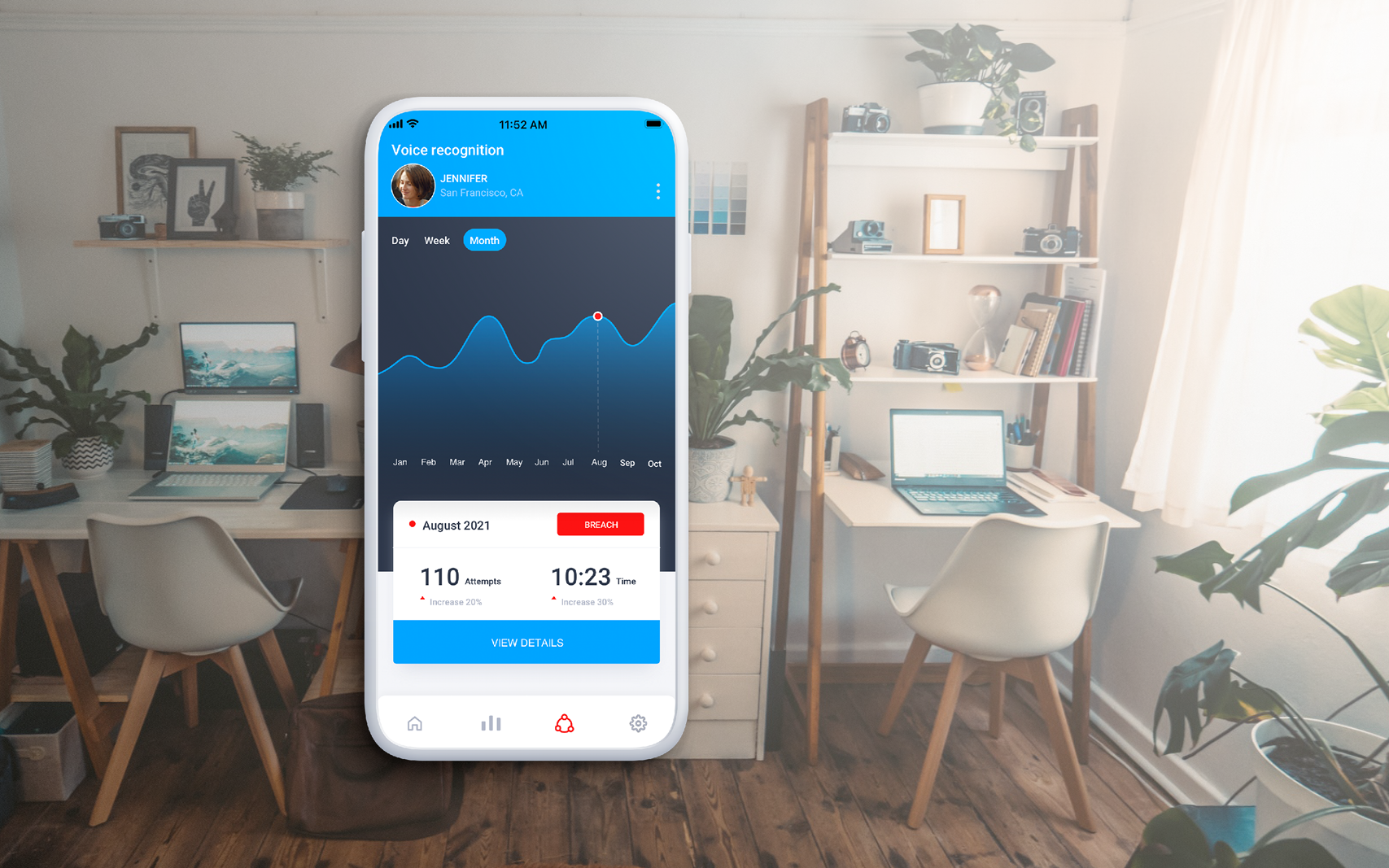
Voice Recognition
Geo-location
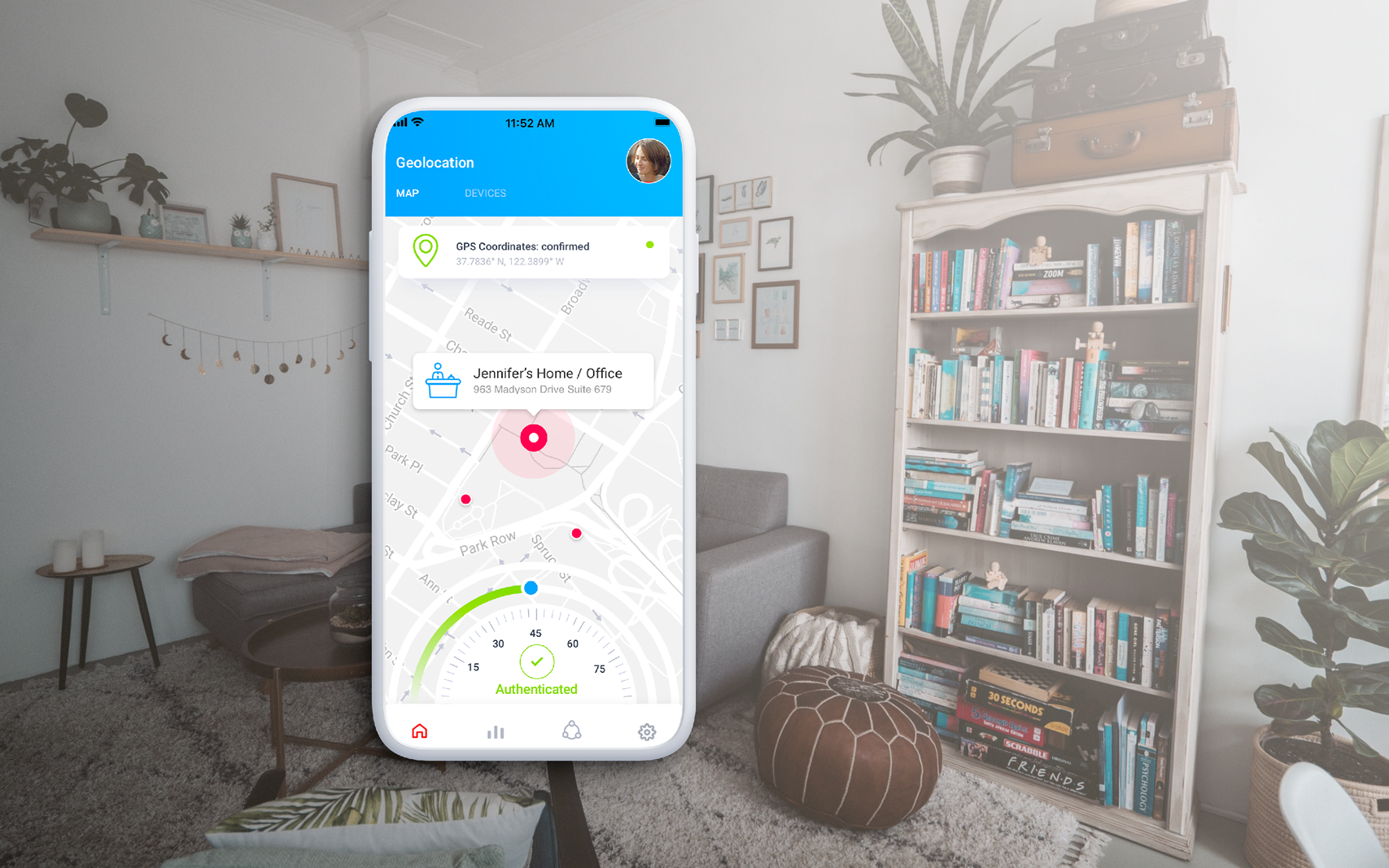
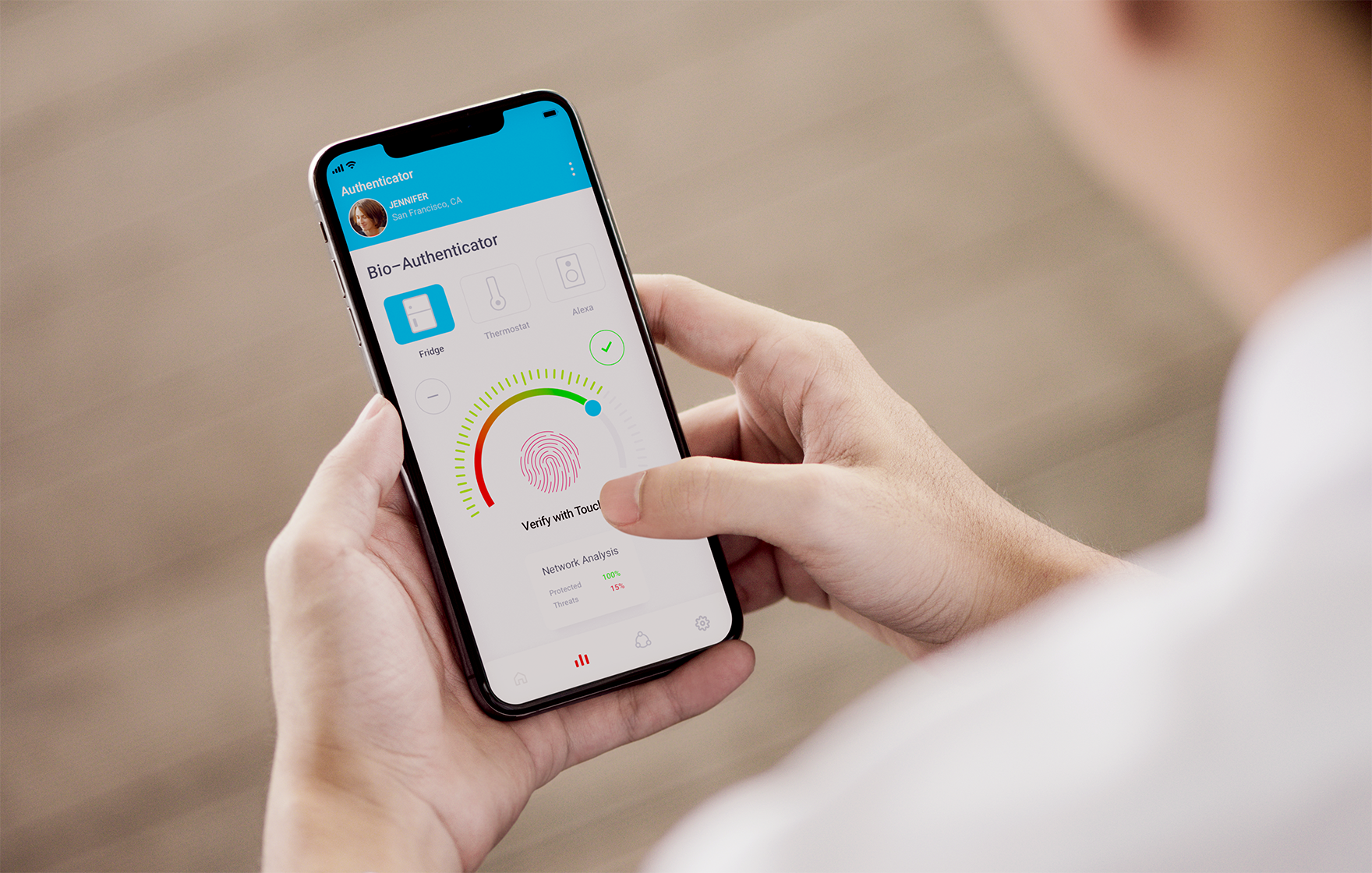
device & features
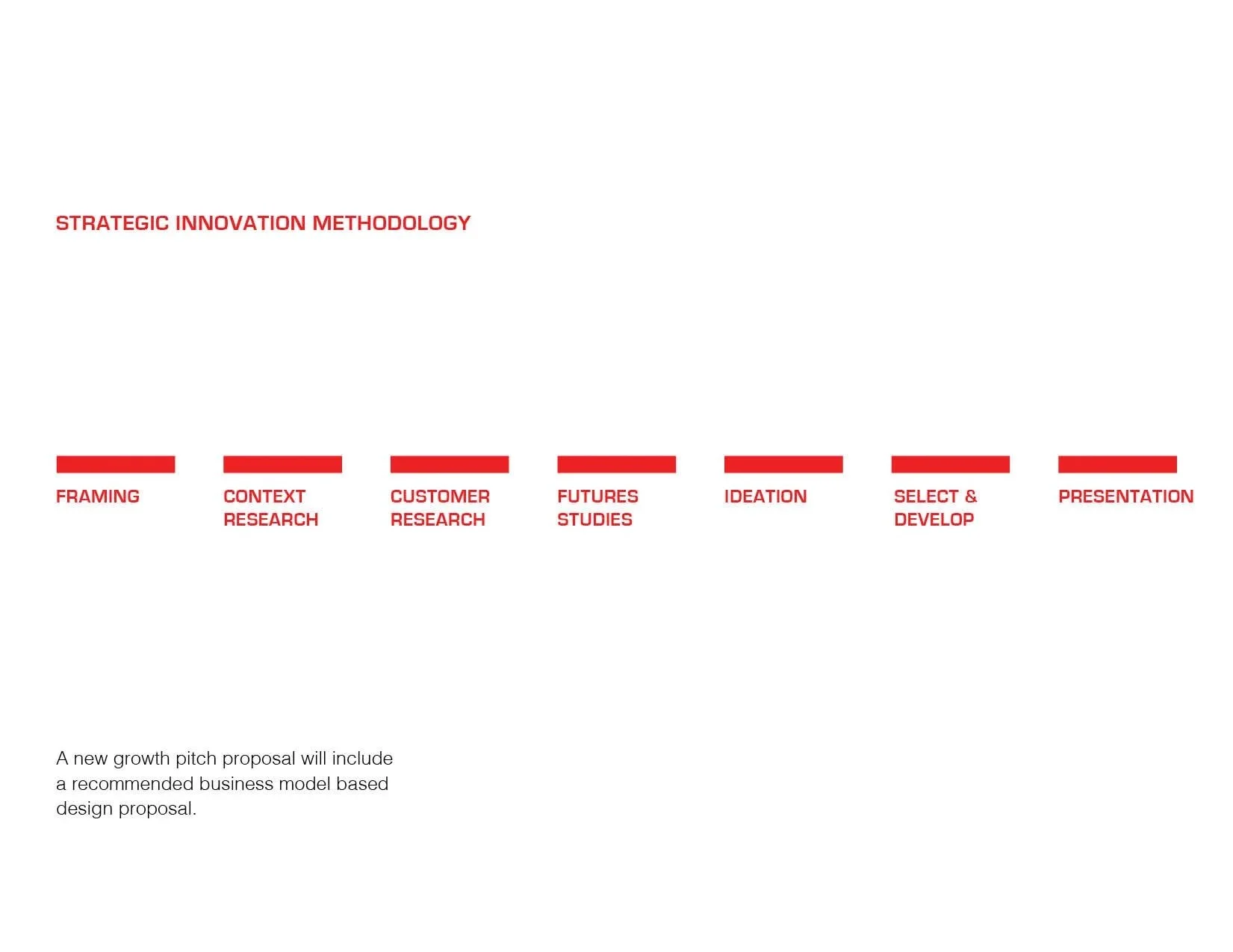
Methodology
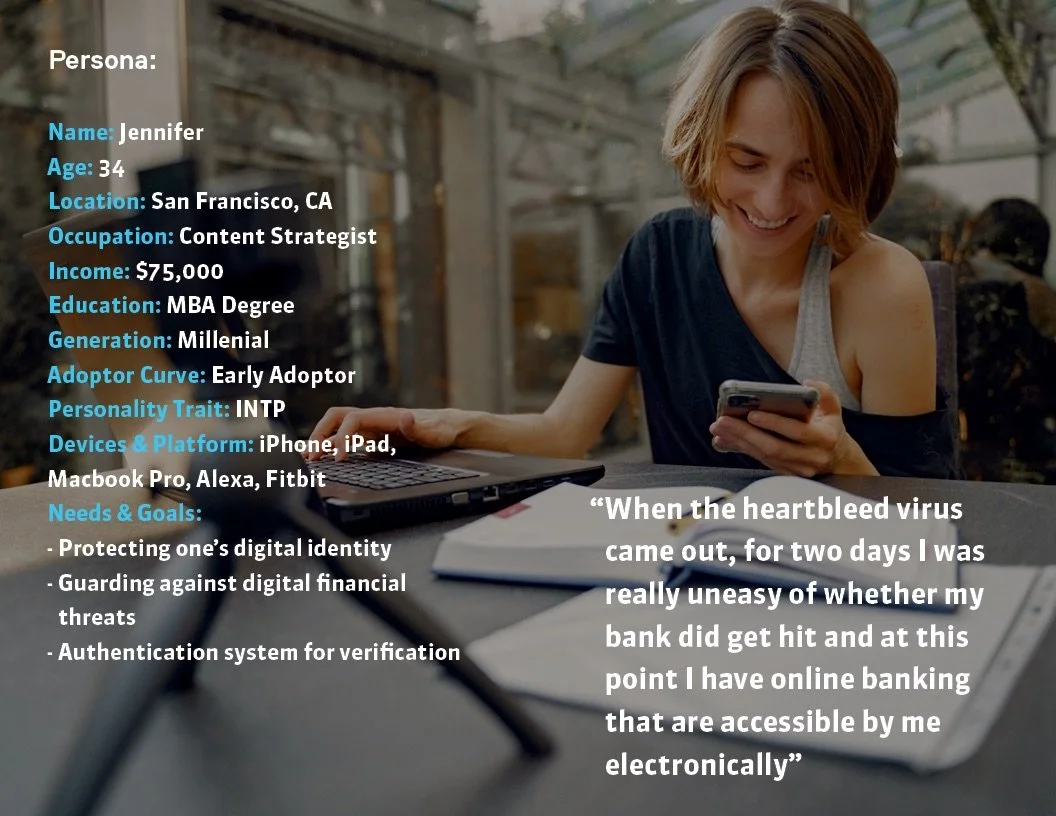
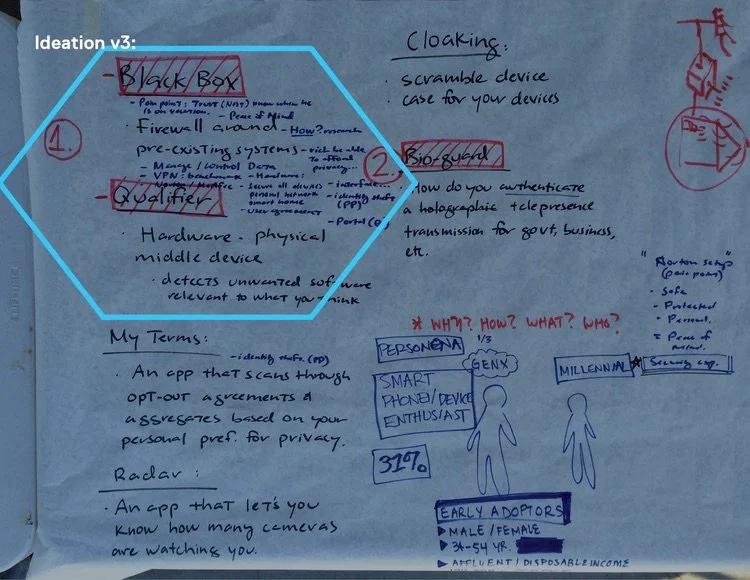
Framing and Persona
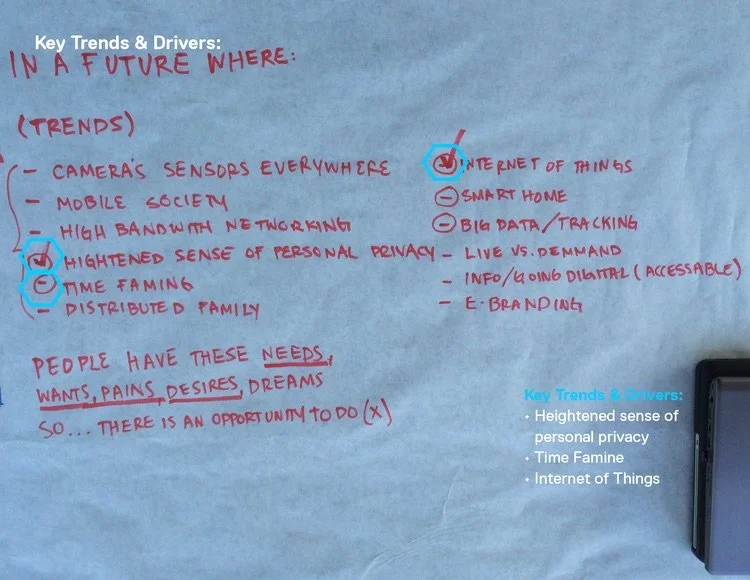
Emerging Trends
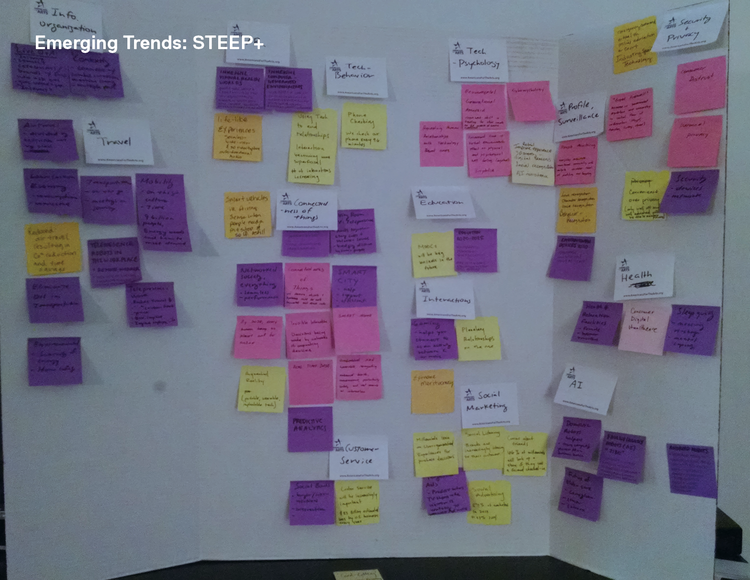
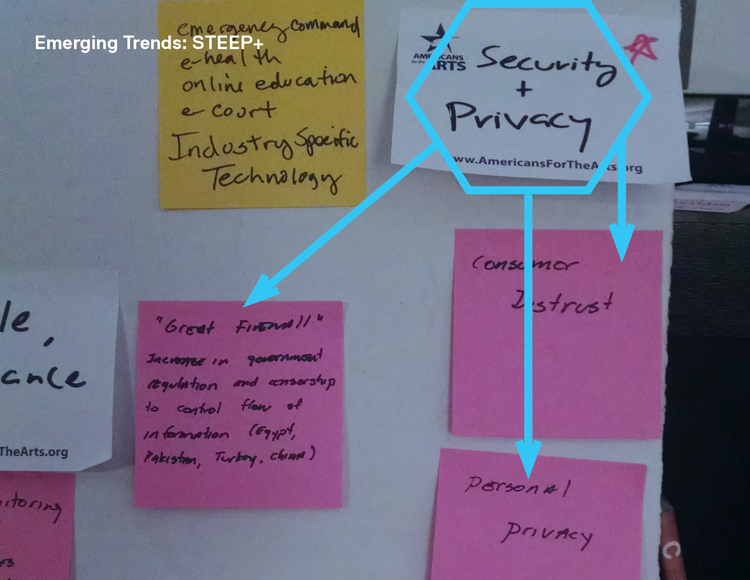
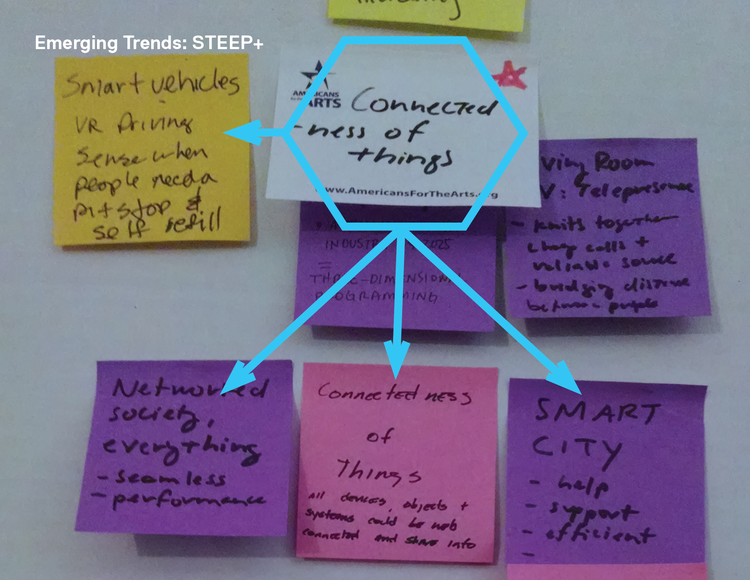
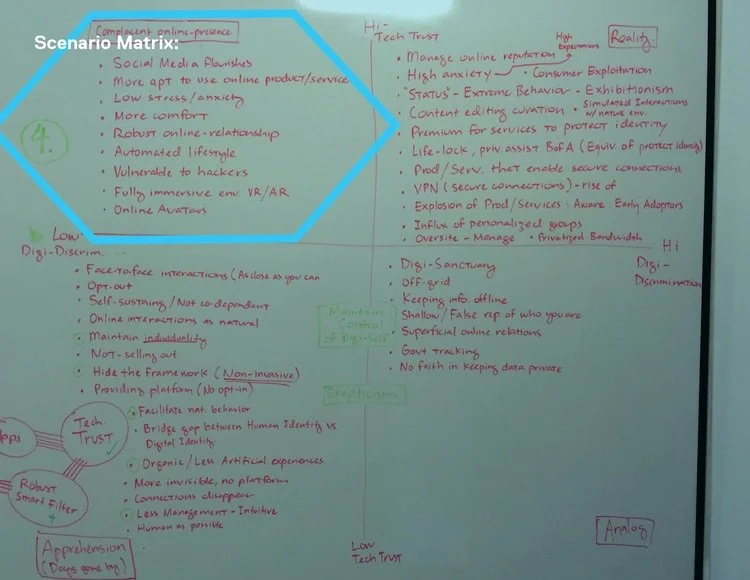
Futures Wheel and Scenario Matrix
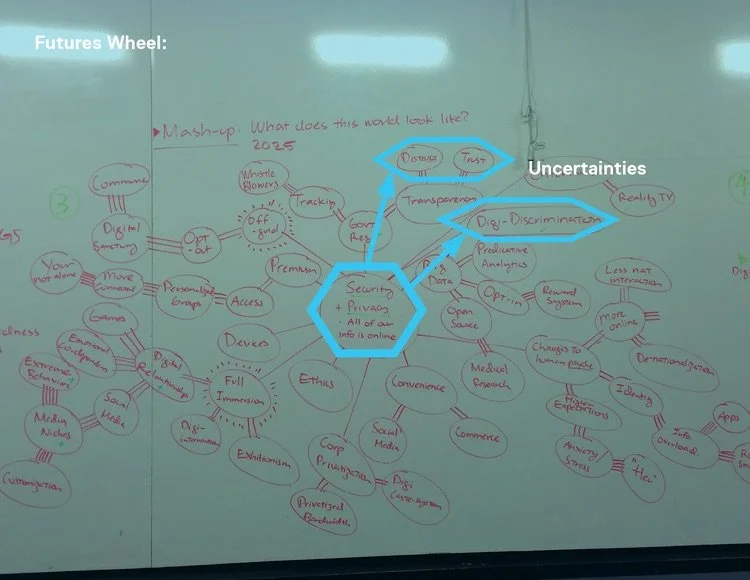
Problem Space and Opportunity
Key Trends & Drivers
Reflection
Learned to frame emerging technologies through human risk and trust, not capability, recognizing that long-term adoption of telepresence and sensing hinges on emotional safety, agency, and clarity within domestic contexts.
Developed stronger judgment around when to speculate and when to ground, using future-casting (2029) to open strategic thinking while anchoring concepts in plausible service models and business constraints.
Strengthened my ability to use design artifacts as thinking tools, turning abstract systems into narratives and visuals that enable alignment, debate, and decision-making rather than just concept validation.
Deepened my practice at the intersection of systems, services, and platforms, reinforcing that senior-level impact comes from shaping problem frames and opportunity spaces, not just delivering solutions.
What I’d do differently next time: introduce lightweight stakeholder co-creation and scenario stress-testing earlier to pressure-test assumptions, reveal edge cases, and sharpen the strategic relevance of the concept sooner.